Skip to content
Voltarum Local LLM Hardware Guide

NVIDIA · NVIDIA GPUs · 2025

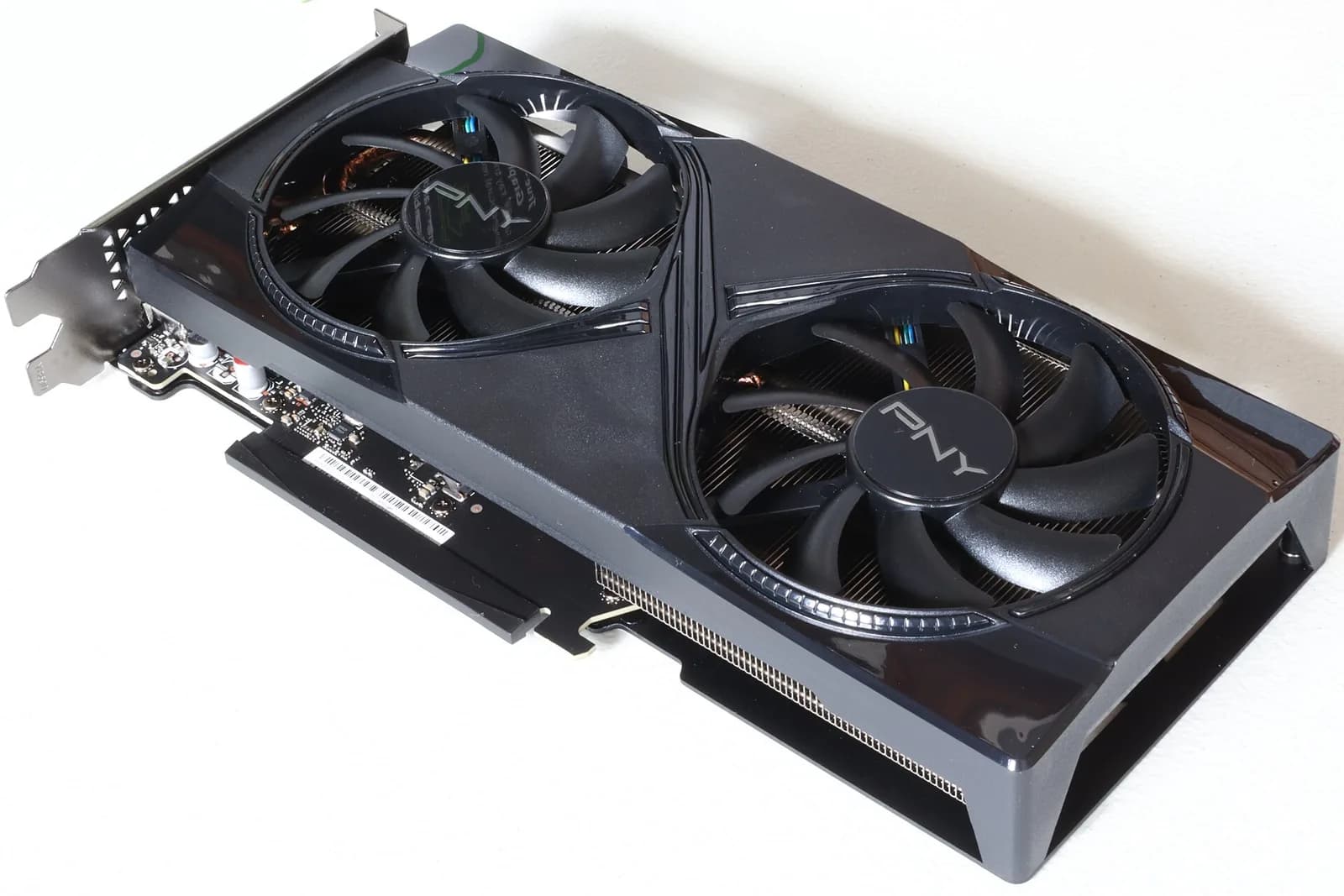
NVIDIA GeForce RTX 5080

Not recommended for AI

Fast, but only 16 GB: the same memory as cards that cost a third as much.

Memory
16 GB
Bandwidth
960 GB/s
Power
360 W
Largest popular model at 4-bit
gpt-oss-20b

from $1,830 (typical price)

Researched from manufacturer data and public sources; not tested by us.· Last reviewed Oct 11, 2026

What it can run

Estimate

Popular models at Q4_K_M with a 32K-token context. Memory needed from real model files; speed is the theoretical ceiling.

Change model size or context

Model weightsContext cache (KV)RuntimeUsable limit (colour = verdict)

ModelVerdictMemorySpeed ceiling
Qwen3 1.7BRuns
6.4 GB / 16 GB · with 16 GB
≤ 865 tok/s
Qwen3.5 9BRuns
8.3 GB / 16 GB · with 16 GB
≤ 169 tok/s
Gemma 4 12BRuns
9.5 GB / 16 GB · with 16 GB
≤ 135 tok/s
gpt-oss-20bRuns
14 GB / 16 GB · with 16 GB
≤ 480 tok/s
Qwen3.6 27BNot enough memory
20 GB / 16 GB · with 16 GB
—
Qwen3.6 35B A3BPartly in system RAM
24 GB / 16 GB · with 16 GB
—
Llama 3.3 70BNot enough memory
55 GB / 16 GB · with 16 GB
—
gpt-oss-120bPartly in system RAM
65 GB / 16 GB · with 16 GB
—
Qwen3.5 122B A10BPartly in system RAM
79 GB / 16 GB · with 16 GB
—
Qwen3.5 397B A17BPartly in system RAM
247 GB / 16 GB · with 16 GB
—

Theoretical maximum for generating text: memory bandwidth divided by the bytes read per token. Real runs usually reach about half to three quarters of it.

Where to buy

Prices are editorial references (launch price and a typical street price on the date shown), not live prices. In 2026 the memory shortage has pushed many prices well above launch.

Prices are shown only if updated in the last 24 hours and may change; the retailer’s price at checkout applies. We may earn a commission from these links at no cost to you. Affiliate disclosure

Overview

Editorial opinion

Best for: Gamers who also run small models; not a good buy for AI alone.

Editorial opinionWould we buy it today?

No for AI. An RTX 5060 Ti 16 GB holds the same models for far less, or a 24–32 GB card holds more.

Pros and cons

Editorial opinion

Pros

  • Very fast with models up to about 14B
  • CUDA and full tool support

Cons

  • 16 GB limits you to small and mid-size models
  • Poor price per GB of memory in 2026

Specifications

Factual data
Manufacturer
NVIDIA
Chip
GB203
Architecture
Blackwell
Type
Graphics card
Form factor
PCIe card
Released
2025
Availability
On sale
Memory options
16 GB
Memory type
GDDR7
Memory bus
256-bit
Memory bandwidth
960 GB/s
Usable for models (default)
16 GB / 16 GB
Board / max power
360 W
Interface
PCIe 5.0 x16
Slots
2
Power connector
16-pin 12V-2x6
Compute stack
CUDA
Models
Any model that fits
Several units for one model
Yes

Source: Manufacturer specifications

Software support

Editorial opinion

How well the popular local-AI tools run on it today (editorial assessment).

  • llama.cppExcellent
  • OllamaExcellent
  • LM StudioExcellent
  • vLLMExcellent
  • MLXNot supported

Measured speeds

Factual data

Measured results with their source. We never invent speeds.

No measured results yet. The table above shows the theoretical ceiling instead.

Alternatives

NVIDIA GPUs

NVIDIA GeForce RTX 5060 Ti 16 GB

Memory
16 GB
Bandwidth
448 GB/s

Largest popular model at 4-bit: gpt-oss-20b

The cheapest new NVIDIA card with 16 GB. Low power and CUDA make it the easy starter card.

from $789 (typical price)Good budget option

Same 16 GB for far less

NVIDIA GPUs

NVIDIA GeForce RTX 3090

Memory
24 GB
Bandwidth
936 GB/s

Largest popular model at 4-bit: Qwen3.6 27B

The homelab classic: 24 GB and 936 GB/s, bought used. Two of them make 48 GB.

from $1,340 (typical price)Good budget option

24 GB for a similar price